Do you have a green thumb? That’s great! But did you know that some plants can be toxic, even deadly, for your pet?
To help you strike the right balance between houseplants and pet safety, we’ve put together a list of the most common plants that are toxic to animals.
If you have any of these plants at home, it’s important to remove them as soon as possible. Your pet’s health, and even their life, could depend on it.
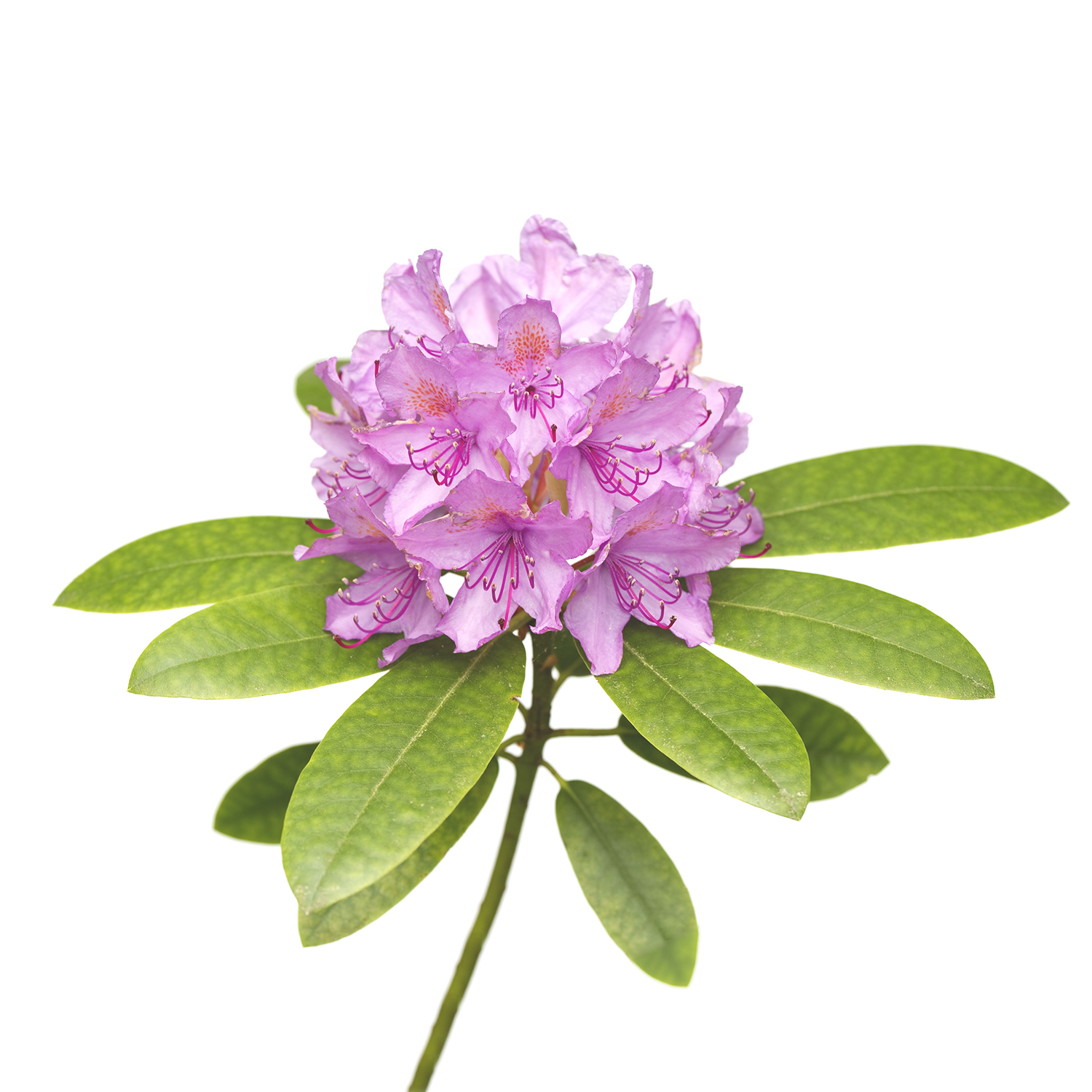
Rhododendrons and azaleas
- Toxic to dogs, cats, horses, and birds
- All parts of these plants are toxic
- If ingested, they can affect muscles and the heart, and cause digestive issues
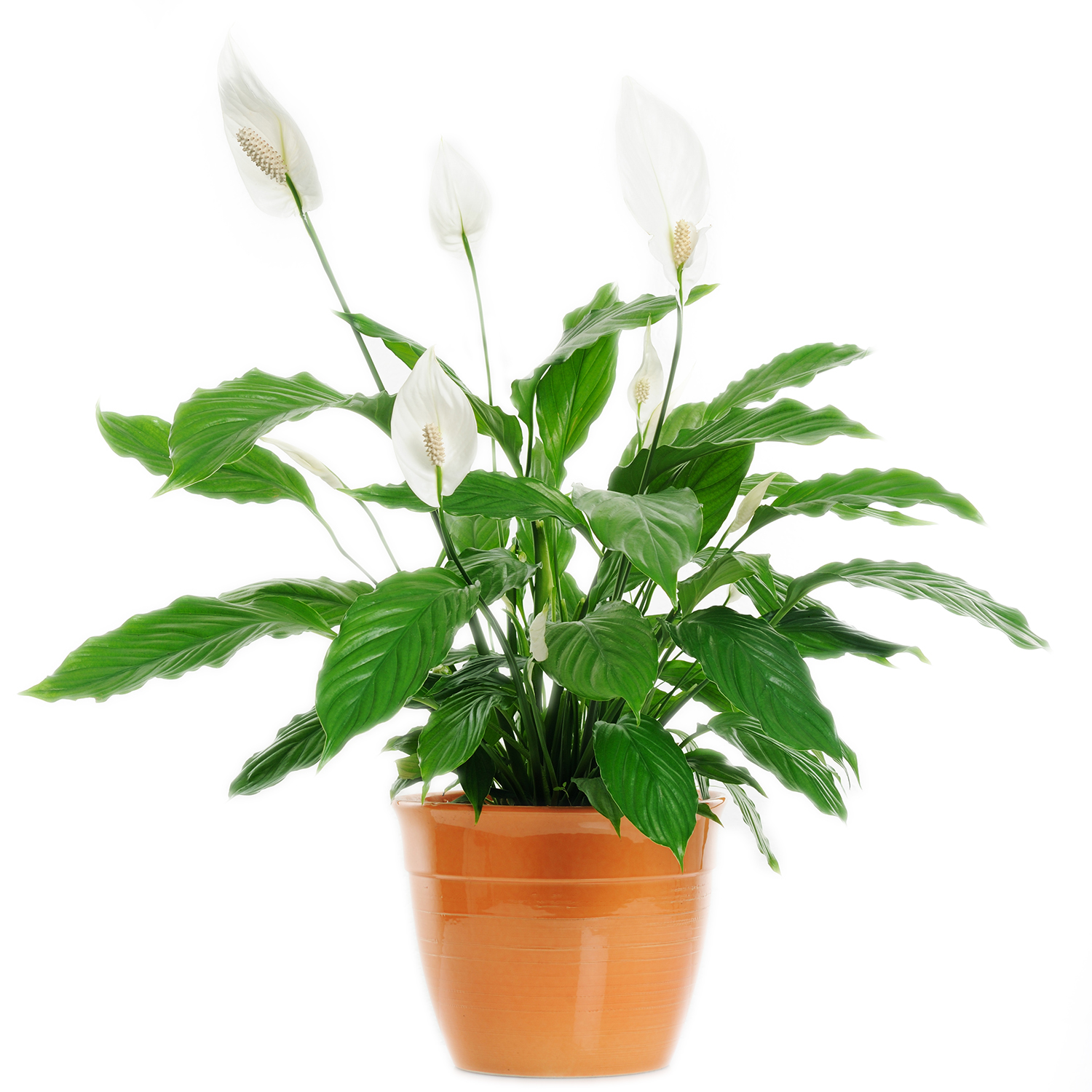
Lilies
- Toxic to dogs and cats
- All types of lilies and every part of the plant are toxic
- If ingested, they can cause irritation of the mouth and lips, as well as digestive issues
- This plant is deadly for cats
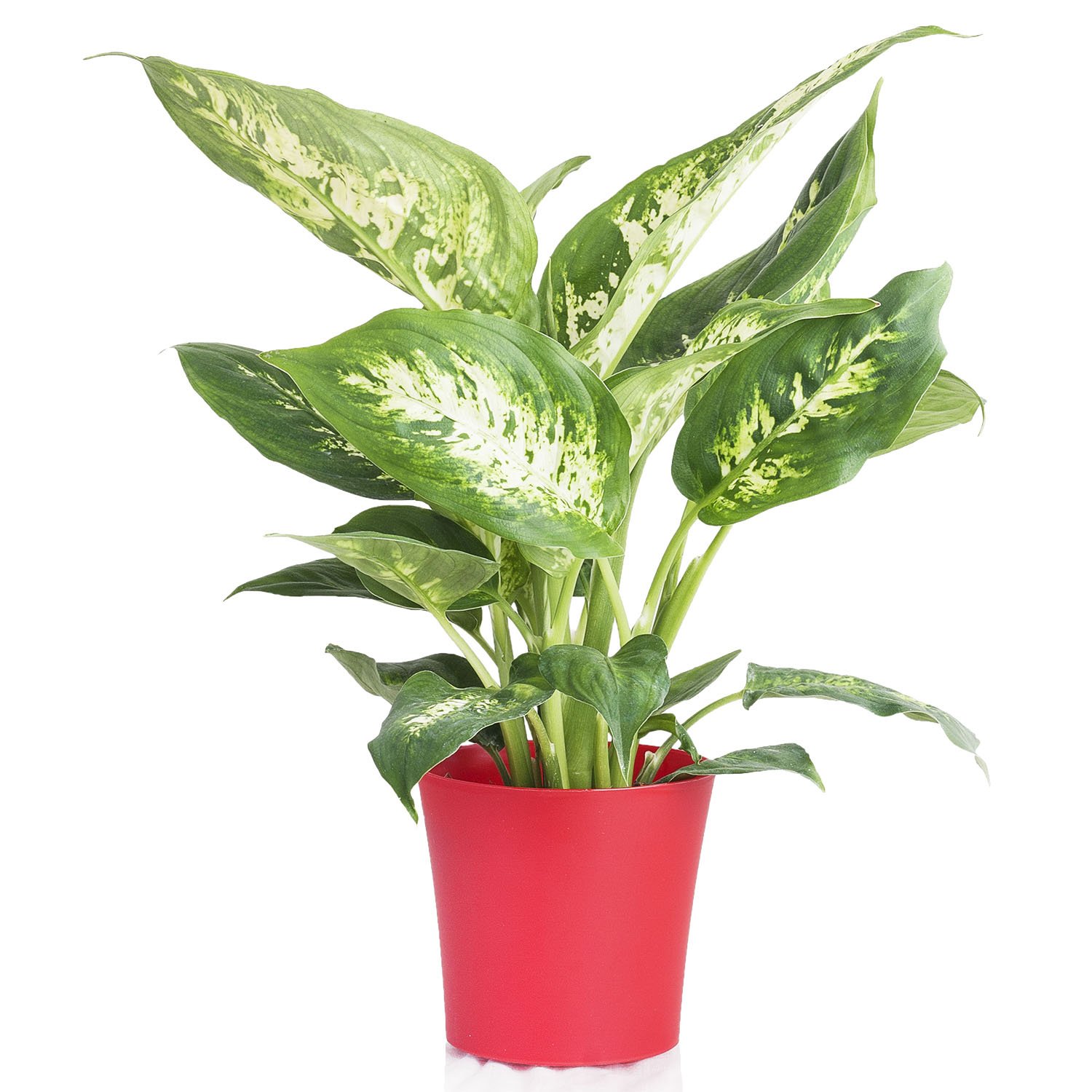
Dieffenbachia
- Especially toxic to cats
- All parts of this plant are toxic
- If ingested, it can cause digestive issues, kidney failure, and neurological problems

Poinsettia
- Toxic to dogs and cats
- The leaves are toxic
- If ingested, they can cause digestive issues and skin irritation
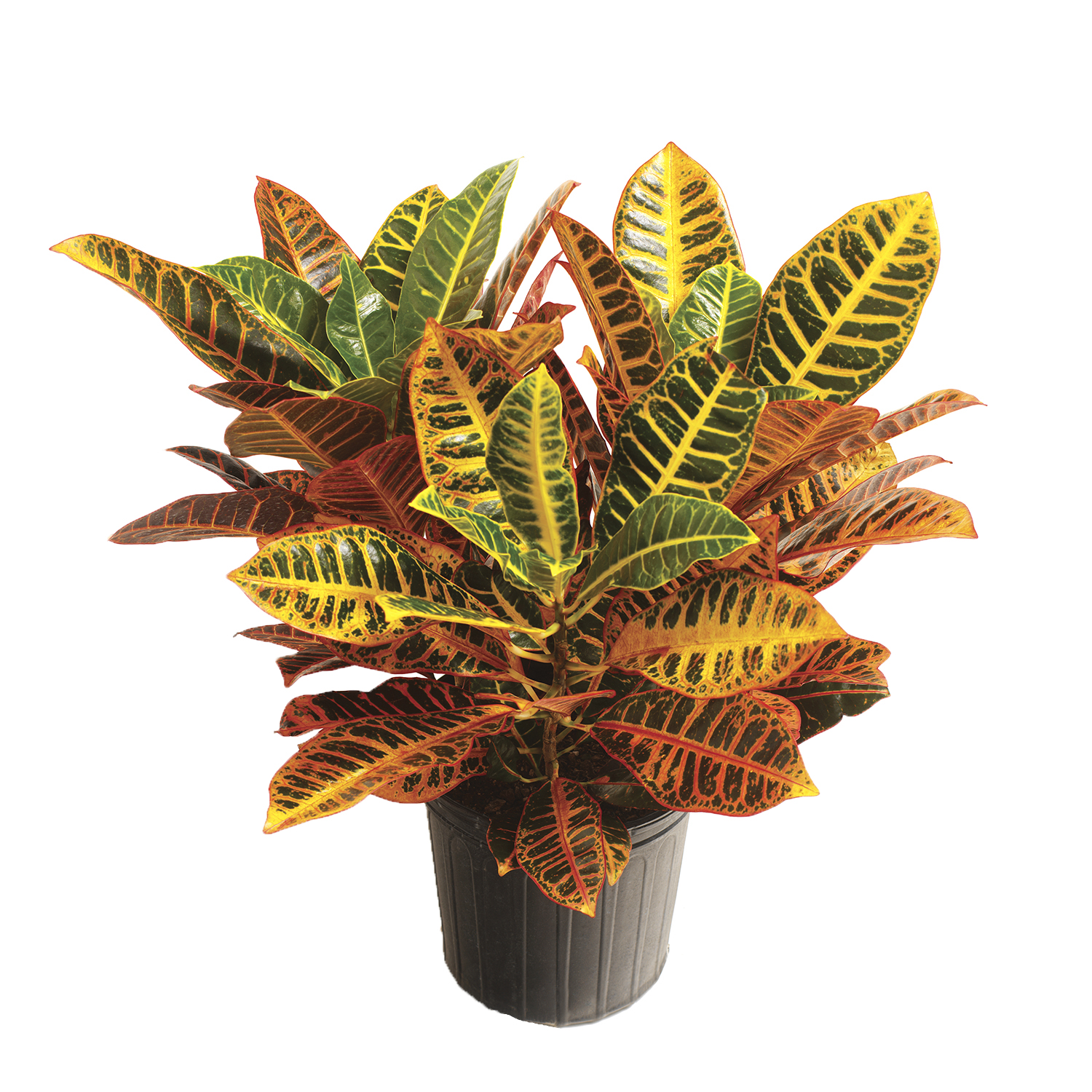
Codiaeum variegatum (croton)
- Toxic to dogs, cats, rabbits, and guinea pigs
- The leaves are toxic
- If ingested, they can cause digestive issues, neurological problems, and dehydration
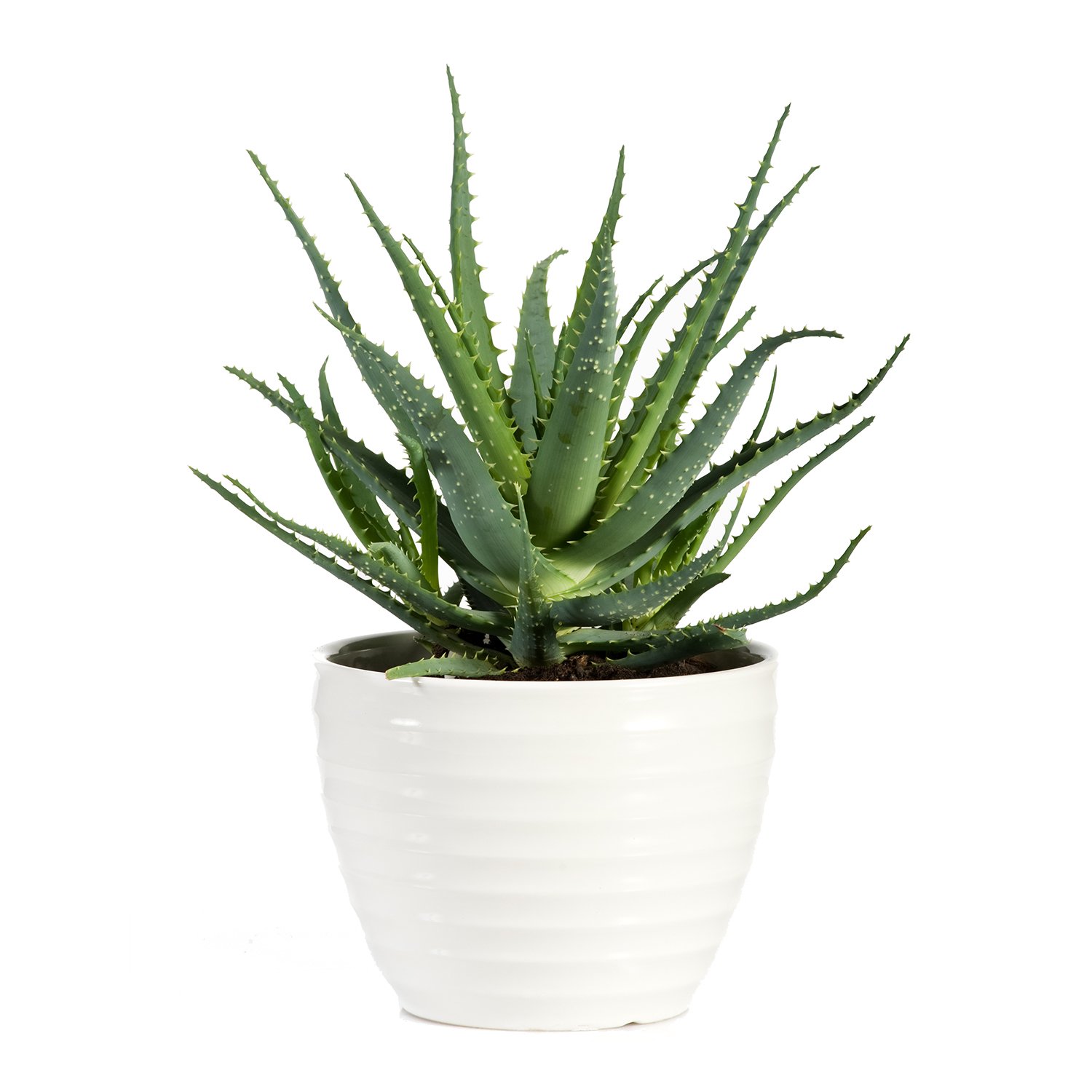
Aloe vera
- Toxic to dogs and cats
- The leaves and the gel inside are toxic if ingested
- If consumed in large amounts, it can cause digestive and neurological issues
Good to know: Although Aloe vera plants are toxic to cats and dogs, some pet-specific products may safely contain Aloe. In these cases, the irritating components are removed or used in safe amounts.
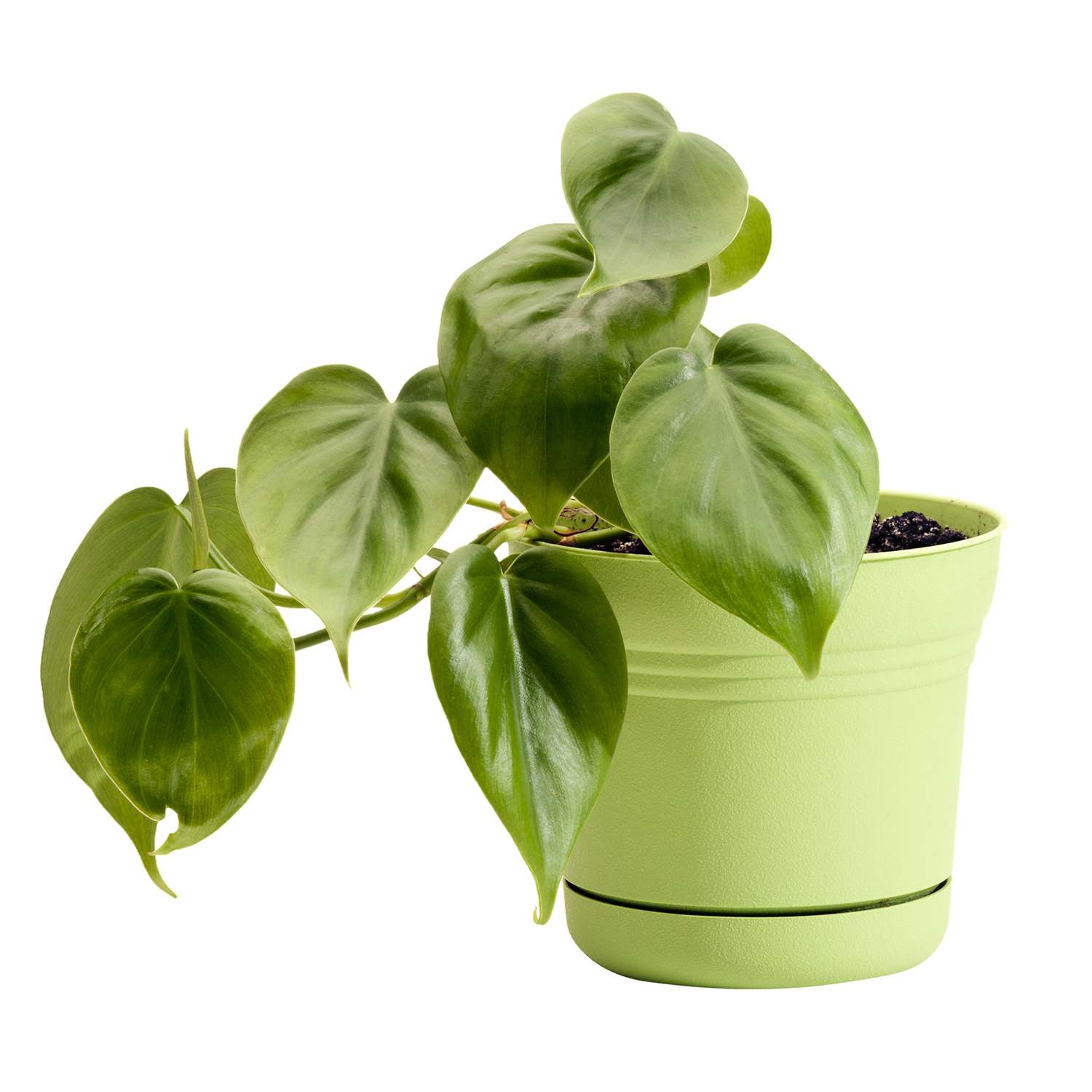
Philodendron
- Toxic to dogs, cats, and birds
- The leaves and internal gel are toxic if ingested
- If ingested, it can cause digestive issues, respiratory problems, and bleeding gums
Ficus benjamina
- Toxic to dogs and cats
- The leaves and sap are toxic
- If ingested, it may cause digestive issues, facial swelling, kidney problems, and irritation of the mucous membranes
For your cat
Once you’ve removed toxic plants from your home, if your cat still tends to chew or rub against plants, consider offering cat grass. It’s very beneficial, as it helps stimulate their digestive system and supports the elimination of hairballs. Plus, your cat will love it.
What to do if your pet eats a toxic plant
If your pet has ingested one of these plants, do not delay in contacting your veterinarian. Make sure you know the name of the plant. This will help your veterinarian provide the appropriate treatment. If your regular clinic is closed, you can also visit a 24-hour emergency veterinary clinic for immediate care.
At any time, you can consult the Pet Poison Helpline or call their emergency line at 1-855-764-7661. This specialized resource can help determine whether your pet may be at risk. Please note that services are available in English only.
It is absolutely possible to maintain harmony between your plants and your pets—you just need to make the right choices.