Just like us, dogs need good oral hygiene to stay healthy for as long as possible. Yet, dental health is still too often neglected until visible problems appear: bad breath, pain, infections, or tooth loss.
The good news: most dental problems can be prevented through proper care, especially when it starts at an early age!
Dental Development in Dogs

Puppies are born without teeth. Around 3 to 4 weeks, baby teeth appear, then are replaced by 42 permanent teeth between 4 and 6 months.
Even though they are temporary, baby teeth are essential:
- They allow the puppy to eat and play
- They influence the alignment of adult teeth
- They make learning dental care easier
Starting early, even with simple mouth handling, makes dental care much easier in adulthood.
What Science Teaches Us: The Oral Microbiome
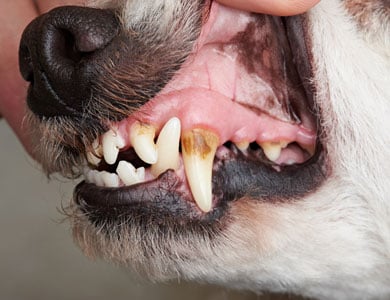
Recent research shows that a dog’s mouth hosts a complex microbiome made up of many bacteria. In healthy dogs, these bacteria are balanced.
- Gingivitis
- Tartar formation
- Periodontal disease
Studies published in 2024 show that bacterial composition varies by age and size of the dog, and some imbalances can be detected very early, even before visible signs appear. This explains why a dog can seem “fine” while developing silent dental disease.
Signs of Dental Problems to Watch For
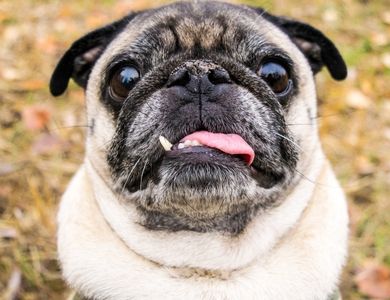
Dogs are very good at hiding pain. Here are the most common warning signs:
- Persistent bad breath
- Red, swollen, or bleeding gums
- Visible tartar on teeth
- Difficulty eating or preference for soft food
- Loss of appetite or weight
- Behavioral changes (irritability, lethargy)
Did You Know?
More than 80% of dogs over 3 years old have some form of periodontal disease, often without owners realizing it. Most dogs keep eating despite discomfort.
Why Dental Health Is Essential for Overall Health
The mouth is not an isolated system. Bacteria from an unhealthy mouth can enter the bloodstream and affect other organs.
Periodontal disease can be linked to:
- Heart problems
- Kidney and liver issues
- Weakening of jaw bones
- Chronic systemic inflammation
A healthy mouth directly contributes to better quality of life and longer lifespan.
Brushing: The Cornerstone of Prevention
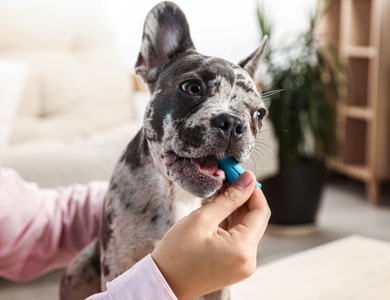
Despite all innovations, brushing remains the most effective way to prevent plaque and tartar. Ideally, daily brushing is recommended, or at least 3 times a week for maximum benefits.
How to Get Your Dog Used to Brushing
- 1.Gently handle their mouth and reward them.
- 2.Introduce dog toothpaste with your finger. Choose a tasty flavor to encourage cooperation. Never use human toothpaste, as some ingredients can be harmful to dogs.
- 3.Use a soft brush or a finger brush that fits over your finger. Make sure it’s the right size for your dog, small breeds may need specific tools.
- 4.Brush in gentle, circular motions. Start with just a few seconds. Reward with treats or affection.
- 5.Focus on the outer surfaces of the teeth, where plaque builds up most.
- 6.Gradually increase brushing time for a thorough clean.
Positive reinforcement and gradual progress greatly increase your chances of long-term success and strengthen your bond with your dog.
Alternatives to Brushing: Helpful but Complementary!
Recent research confirms that some products can complement brushing, but not replace it.
Dental Diets
Dental kibble is designed to:
- Provide a mechanical scrubbing effect thanks to size and shape
- Include active ingredients that limit plaque

Dental Treats and Chew Toys
Some dental treats can:
- Reduce plaque and tartar by 30–40%
- Decrease compounds responsible for bad breath
- Improve oral microbiome composition
Chew toys also play an important role since chewing helps dislodge food between teeth. The scrubbing effect can slow plaque buildup and keep gums healthy.
Water Additives
Additives made from natural extracts have shown reduced tartar reformation after professional cleaning when used regularly. Beware of misleading ads promising healthy teeth with a miracle product, nothing replaces a professional cleaning by your vet and daily brushing!
Did You Know?
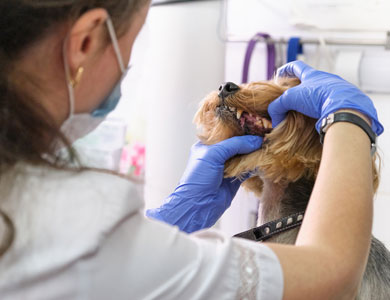
There are veterinarians specialized in animal dentistry! They can perform advanced treatments like root canals, fracture repairs, or complex extractions.
In Summary: Prevention Is Key
It is recommended to begin dental care at a young age to help your dog get used to it, but it’s never too late to establish a routine: patience is key. Brush their teeth regularly, use appropriate dental products, and consult your veterinarian proactively to maintain a healthy mouth and prevent problems before they arise.
Healthy teeth mean less pain, fewer diseases, and a happier dog… with fresher breath!
Take care of your dog’s teeth: