Understanding your cat’s nutritional needs
Cats have very specific nutritional requirements that set them apart from other animals, including dogs. They are obligate carnivores, meaning their diet must be primarily composed of animal-based ingredients to properly meet their needs.
A suitable cat food must provide enough energy, support muscle mass, promote healthy digestion and ensure proper organ function. Proteins, fatty acids, certain minerals and vitamins, as well as essential nutrients like taurine, all play a key role in their well-being. Understanding these elements helps you choose food that truly matches your cat’s biology.
Proteins
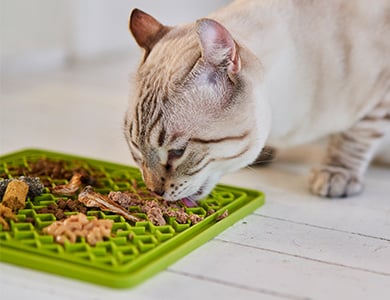
Proteins are the foundation of a cat’s diet. They are essential for maintaining muscle mass, renewing tissues, supporting the immune system and providing energy.
Unlike other animals, cats have a high and constant need for protein. These should primarily come from animal sources such as chicken, beef, lamb or fish to provide essential amino acids.
More and more pet owners are looking for high-protein formulas, often associated with the search term high protein cat food. A higher-protein diet can benefit many cats, particularly in supporting muscle tone and vitality, as long as the formula is balanced and suited to their lifestyle.
Fatty acids
Fatty acids, especially omega-3 and omega-6, are essential for a cat’s overall health. They support coat quality, skin health, cognitive function and the immune system.
They mainly come from animal fats and certain oils such as fish oil. Adequate intake is important, but balance remains essential to avoid digestive or skin issues.
Carbohydrates
Carbohydrates are not essential in a cat’s diet but can be present in small amounts as an additional energy source and for their fiber content.
They should remain limited and carefully selected, as excess carbohydrates can affect nutritional balance, especially in less active cats.
Taurine
Taurine is an essential amino acid for cats. Unlike other species, cats cannot produce sufficient amounts on their own and must obtain it from their diet.
- Heart health
- Vision
- Reproduction
- Nervous system function
A taurine deficiency can lead to serious health issues, which is why complete cat food must always include an adequate amount.
Minerals and other essential nutrients
Minerals and vitamins are required in smaller quantities but are essential for proper body function.
- Bone and dental strength
- Metabolism regulation
- Organ function
- Strong immune system
Vitamins such as A, D, E and B-complex must be provided in precise proportions. A complete and balanced diet typically meets these needs without supplementation, unless recommended by a veterinarian.
Adapting your cat’s diet to its profile

Your cat’s age
Kitten
During growth, kittens need a diet rich in energy, protein and essential nutrients to support the development of muscles, bones and organs.
Adult cat
Once growth is complete, the goal is to maintain a healthy weight and overall condition.
Senior cat
As cats age, metabolism slows and activity levels often decrease. Diets are typically more digestible with controlled calories and targeted nutrients.
Lifestyle
Outdoor cat
More active, they require more energy and protein to support their activity levels.
Indoor cat
Less active, they benefit from a diet that helps prevent excess weight while still meeting nutritional needs.
Specific health needs
- Urinary health formulas
- Weight management food
- Dental kibble
When health concerns are present, veterinary advice is recommended to ensure the best dietary choice.
Different types of cat food
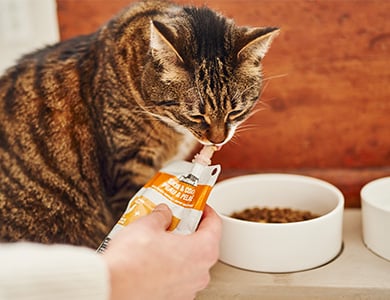
Dry food
Dry cat food (kibble) is one of the most popular options due to its convenience, shelf stability and affordability.
Wet food
Wet food contains a high moisture content, helping support hydration. It is also very palatable.
Dry vs wet food
A mixed feeding approach often allows you to benefit from both options.
Raw food
Raw diets are made of minimally processed ingredients such as raw meat and organs, mimicking a cat’s natural diet. However, they require careful handling and nutritional balance.
Natural food
Natural formulas focus on simple, minimally processed ingredients. They must still be complete and balanced.
High-protein food
High-protein diets support muscle mass, energy and vitality, especially in active cats, when properly formulated.
Dehydrated food
Dehydrated food requires rehydration before serving and offers good nutrient preservation and shelf stability.
Freeze-dried food
Freeze-dried food preserves nutrients well and offers a convenient alternative to raw diets.
How much should you feed your cat?
The amount depends on age, weight, activity level and the type of food. Package guidelines are a good starting point but may need adjustment.
Monitoring your cat’s body condition is essential. If unsure, a veterinarian can provide tailored guidance.
Cat treats
Treats can be used for training, rewards or variety but should be given in moderation.
Ideally, they should not exceed 10% of daily caloric intake. Choose treats suited to your cat’s age, size and lifestyle.
Find everything your cat needs at Mondou
At Mondou, you’ll find everything to meet your cat’s needs, from food to treats, as well as everyday essentials and accessories. As a trusted pet store, Mondou offers a wide selection of carefully chosen products to support your companion at every stage of life.