Your cat sleeps a little more. He jumps less. He doesn't really play like he used to.
Is it age... or is it just a phase?
Cats often age quietly, and some changes can go unnoticed... or simply be brushed off as, "That's normal, he's getting older." However, being able to recognize these changes can help you adapt your cat's environment and stay attentive to their health.
At What Age Does a Cat Become a Senior?
Of course, there is a general age range that can help us answer that question. However, it would be far too simplistic to give you a number without adding a few "buts." Feline veterinary specialists generally consider cats to enter their senior years at around 10 years of age.
That said, some cats may reach this stage earlier, which is why it's important to focus more on your cat's overall health than on a specific number. For example, I recommend scheduling annual wellness exams as soon as you start noticing several changes in your cat's habits, even if they're only 7 or 8 years old.
What Are the Signs of Aging in Cats?
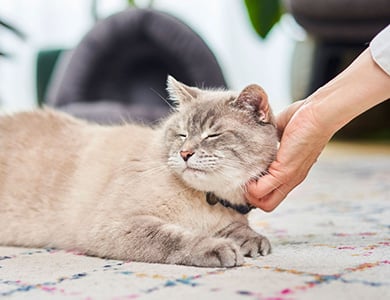
Here, I'd like to share a fairly comprehensive (though certainly not exhaustive) list of signs that may indicate your cat is getting older, to help you know what to look for.
As you probably already know, cats are experts at hiding things. They adapt remarkably well without saying a word, continuing their usual routines while showing only very subtle signs of discomfort or pain.
Here are some of the changes you may notice as your cat enters their senior years:
Physical Changes
- Reduced hearing
- Changes in digestion
- More brittle claws
- Changes in appetite
- Loss of muscle mass
Changes in Habits and Behaviour
- Changes in vocalization (frequency, volume, etc.)
- Lower tolerance to stress
- Different sleeping patterns
- Less coordinated movement
- Climbing less often or with more difficulty
- More difficulty grooming themselves
- Reduced interest in their usual activities
It's a long list, and there are many more subtle signs that could be added. However, I'd like you to remember one important thing: if you notice a change, take it seriously. Keep track of your observations and don't hesitate to ask questions or seek advice from trusted professionals.
Acting early allows you to plan the necessary health checks and make adjustments that can help ease your cat's transition into their senior years.
How Can You Care for a Senior Cat Every Day?
There are plenty of ways to adjust your home and daily routine to help your cat navigate their senior years more comfortably. The goal is to make everyday life easier as they begin to experience age-related changes.
That said, don't try to do everything at once. It can feel overwhelming and discouraging, and that's completely understandable. Instead, read through the following suggestions and choose two or three that seem most relevant to your cat. That's already an excellent place to start.
Adapting Your Senior Cat's Care Routine
- Trim their nails regularly.
- Brush their coat daily using the appropriate brush, regardless of coat type.
- Gently clean areas your cat can no longer groom effectively, but only when necessary and with a mild, fragrance-free product.
- Offer appropriate supplements and a diet tailored to your cat's lifestyle and nutritional needs.
- Schedule more frequent veterinary checkups (for example, once or twice a year).
Creating a Senior-Friendly Home Environment
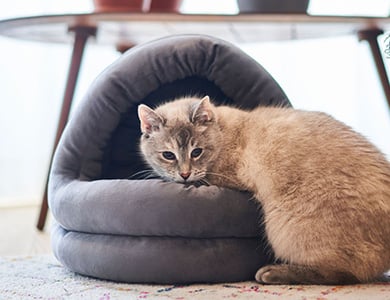
- Make everything easier to access! Resting areas, food and water bowls, litter boxes, and more. Your cat shouldn't have to work hard to meet their basic needs, especially if they are experiencing physical or cognitive changes. Prioritize accessibility and convenience, even if it isn't quite as aesthetically pleasing.
- Avoid placing essentials upstairs or in the basement. Ideally, your cat should be able to access everything they need without having to navigate stairs multiple times a day.
- Adapt everyday items or replace them with more suitable alternatives. Think cat trees with multiple platforms for easier climbing, litter boxes with lower sides, or horizontal scratching surfaces that allow your cat to groom their claws while remaining on the ground.
Maintaining a Routine That Supports Your Senior Cat
- Keep a stable and predictable schedule. Meals, playtime, grooming sessions, and other daily activities should happen at roughly the same time every day. Consistency can significantly reduce stress in senior cats.
- Adjust play sessions to keep your cat interested and engaged. Because yes, senior cats still want to play! They just like to win once in a while, and they probably don't have the energy to race up and down the stairs anymore (although you never know!). Keep playtime somewhat unpredictable to stimulate hunting instincts, but consider lowering the intensity and difficulty level.
Why Are Veterinary Visits So Important for Senior Cats?
Don't overlook regular health checkups. They're important throughout your cat's life, but they become especially important as the years go by.
Not only can veterinary visits help confirm whether your cat has officially entered their senior years, but they can also help identify pain, illness, or mobility issues early on, when intervention can make the biggest difference.
If your cat is approaching senior age, start setting aside a little money now to help cover annual veterinary visits. Growing older comes with a budget!
Being a senior isn't a bad thing. In fact, this stage of life can easily last 5 to 10 years. Your cat deserves to remain comfortable, healthy, and happy throughout all those wonderful years by your side.