Summer is a season many look forward to, but for our furry companions, the heat can pose a real danger. All dogs are sensitive to rising temperatures, but some are especially vulnerable when hot and humid days arrive.
Unlike humans, dogs don’t sweat. Their main way of releasing heat is through panting. While this is a natural mechanism, it can quickly become ineffective for certain dogs, especially puppies, senior dogs or breeds with short muzzles. If their body temperature rises too quickly, they’re at risk of heat stroke, a veterinary emergency that can be life-threatening.
Here’s how to recognize the dogs most at risk and help them enjoy a more comfortable summer, with simple tips to keep them cool during the warmer months.
Dogs most at risk in hot weather
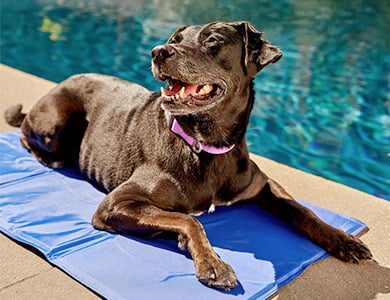
All dogs can suffer from heat, but some are naturally more sensitive. Their physical traits or health conditions make it harder for them to regulate their body temperature, increasing the risk of dehydration, fatigue or even heat stroke.
Brachycephalic dogs
Brachycephalic dogs have short skulls and flat faces. This group includes breeds like the French bulldog, pug, boxer, Pekingese and shih tzu. Their anatomy makes breathing more difficult, especially in hot weather, because they can’t pant efficiently. Since panting is a dog’s primary cooling method, these breeds are particularly vulnerable on hot days.
Keep in mind. These breeds are more prone to exhaustion even after light physical activity, especially when exposed to high temperatures, humidity or poorly ventilated spaces.
Dogs with dense or dark coats
Dogs with long, double or particularly thick coats, such as huskies, malamutes, samoyeds or golden retrievers, retain more body heat. On top of that, dogs with dark fur absorb more sunlight, which causes their body temperature to rise faster.
Good to know: Even in the shade, a thick coat acts like insulation. Make sure these dogs always have access to fresh water and a well-ventilated space.
Senior dogs
As dogs age, their bodies become less effective at maintaining a stable temperature. Senior dogs are often more sedentary, may have a weaker cardiovascular system and are more likely to suffer from chronic health issues. Combined, these factors make them more susceptible to heat-related stress.
Reduce your senior dog’s physical activity during hot weather and schedule walks during cooler times of the day, such as early morning or late evening.
Puppies
A puppy’s thermoregulation system isn’t fully developed yet. Their small size and high energy level mean they can easily overexert themselves without realizing they’re overheating. They also dehydrate more quickly than adult dogs.
Puppies don’t always stop playing when they’re too warm. Offer frequent breaks in the shade and watch for signs of fatigue or discomfort.
Overweight or medically compromised dogs
Excess weight makes it harder for dogs to cool down. Fat acts as insulation, slowing the release of body heat. In addition, dogs with respiratory, cardiac, kidney or hormonal conditions are also more vulnerable. Their vital systems are already working hard daily, and heat adds extra strain.
These dogs require special attention during the summer. Even mild exertion or moderately warm temperatures can quickly lead to distress.
Signs of heatstroke in dogs

Recognizing the signs of heat stroke early is essential to prevent serious complications. The sooner you act, the better the chances of avoiding long-term damage. A dog that’s too hot won’t necessarily stop moving or show obvious discomfort. That’s why it’s important to watch for physical and behavioural signs, especially on warm days.
Symptoms to watch for:
- Rapid, loud or persistent panting
- Thick or excessive drool
- Dark red or purplish gums
- Unusual fatigue or refusal to move
- Vomiting or diarrhea
- Unsteady gait or disorientation
- Elevated body temperature (over 39.5°C)
- Loss of consciousness in extreme cases
What to do if your dog shows these signs
- Move your dog to a cool, shaded, and well-ventilated area.
- Offer fresh water in small amounts, do not force it.
- Gently cool key areas (belly, paw pads, neck) with a damp cloth.
- Avoid cold water or fully soaking the dog, as this may cause shock.
- Contact a veterinarian immediately, even if symptoms seem to improve.
Heat stroke is not just discomfort, it’s an emergency that can lead to serious consequences like organ damage, seizures, unconsciousness, and even death.
Never ignore the signs. Unusual panting, sudden fatigue, or odd behaviour are red flags. In doubt? Always call your vet. Acting quickly can save your dog’s life.
Also read : Preventing heat stroke in pets: summer safety tips
Prevention and best practices
The best way to keep your dog safe during summer is to prevent risky situations from the start. A few simple habits can make a big difference.
Adjust your walk schedule
Avoid walking your dog between 10 a.m. and 4 p.m., when the sun is strongest. Choose early morning or evening walks instead. Touch the pavement with your hand — if it’s too hot for you, it’s too hot for their paws.
Ensure access to fresh water at all times
Whether at home or on the go, always keep a clean, cool water source nearby. Carry a bottle and a collapsible bowl during outings.
Create shaded, cool rest areas
Outdoors, set up a well-ventilated shady spot. Indoor, let your dog rest in the cooler areas of the house, away from sun-exposed windows. A cooling mat or a cooling pad can also help them relax during peak heat.
Avoid unnecessary car trips
A parked car can heat up dangerously fast, even with the windows slightly open. Never leave your dog alone in a vehicle, even for a few minutes.
Watch their behaviour
If your dog seems less active, pants more than usual or refuses to move, it could be a sign they’re feeling the effects of the heat.
Cool treats for hot days
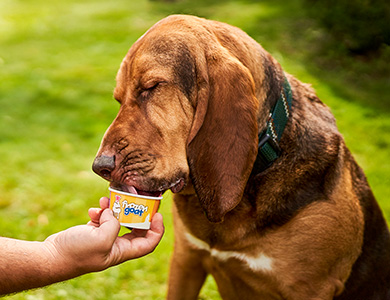
Giving your dog a frozen treat is a great way to cool them down while making them happy. On warm days, small icy snacks can help lower body temperature and add a fun, rewarding moment to their routine. Frozen yogurt, dog-safe bone placed in the freezer or a homemade recipe can make all the difference on a hot day.
Also read: : Mondou Recipes : Berry pup-sicle for dogs
Even if your dog isn’t part of a high-risk group, that doesn’t mean heat stroke can’t happen. All dogs can be affected by heat, especially when they’re active, exposed to humidity or lacking shade. Paying close attention to their behaviour, adjusting your habits on warm days and applying a few simple precautions can make all the difference. By staying alert and responsive, you help your dog enjoy the summer safely without putting their health at risk.
Keep your pup cool this summer: