Once limited to certain regions, ticks, particularly the blacklegged tick (Ixodes scapularis), are now well established in most regions of Quebec, both rural and urban. They are everywhere: in gardens, parks and trails.
Ticks are no longer a sporadic or strictly seasonal issue in Quebec. Due to climate change, their range has expanded and their period of activity has lengthened.
As soon as temperatures reach 0 °C, some ticks can become active again, representing a major shift from previous recommendations based on a 4 °C threshold. Nowadays, temperatures above 0 °C in December, and even sometimes in January, are not uncommon. March warm spells can also reactivate these small arachnids, meaning little relief for our companions.
Tick-Borne Diseases in Dogs

Ticks can transmit several diseases, sometimes through a single bite.
- Lyme disease: symptoms usually appear 2 to 5 months after the bite.
- Anaplasmosis: symptoms generally appear 1 to 2 weeks after the bite.
- Ehrlichiosis: rarer in Quebec, but on the rise.
- Babesiosis: rare, but possible.
Co-infections
The simultaneous transmission of multiple pathogens can make the disease more severe, diagnosis more complex and the response to treatment slower.
Symptoms of Tick-Borne Diseases
Consult promptly if your dog shows symptoms or has been bitten by a tick within the past few months.
- Intermittent lameness, joint pain and swelling
- Fatigue, lethargy, fever
- Loss of appetite, vomiting, excessive thirst and urination
- Bruising, nosebleeds
Some dogs may be infected without showing immediate symptoms, making prevention even more important.
How to Detect a Tick on Your Dog

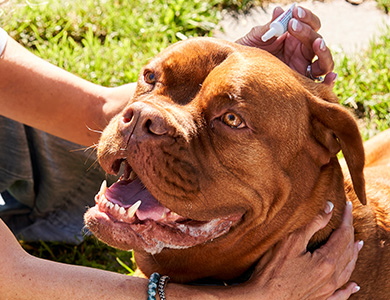
Daily checks are a simple and effective way to protect your pet. Gently run your hands over your dog’s entire body to detect any unwanted visitors. The faster a tick is removed, the lower the risk of disease transmission.
How to Safely Remove a Tick from a Dog
Improper removal can increase the risk of disease transmission or cause a localized infection (abscess) at the bite site.
Recommended method
1. Use tick tweezers or a tick remover designed for dogs.
2. Grasp the tick as close to the skin as possible.
With tweezers: pull gently and straight out, without twisting and without applying too much pressure to avoid crushing the tick. Maintain steady tension until it detaches.
With a tick hook: insert the tick into the hook at the junction of the skin and the tick, then gently turn in the same direction, without pulling, until the tick releases.
3. Disinfect the area after removal, ideally with a chlorhexidine solution or, if unavailable, with mild soap. Avoid alcohol (which can burn skin cells), oils (some may be toxic) and homemade remedies.
4. Monitor the area for a few days and watch for swelling, redness, heat or discharge.
Tick Prevention in Dogs: Best Practices
The best protection combines effective, approved products with vigilance.
- Regular systemic parasite preventives: oral tablets or topical treatments. Make sure coverage extends throughout the entire at-risk period of the year.
- Lyme disease vaccination, based on your veterinarian’s recommendations if you live in an endemic area.
- Coat inspection after walks
- Prompt tick removal
Screening Tests and Treatments
Screening tests may be recommended a few weeks after exposure to a tick or if your dog develops symptoms. These tests detect antibodies against certain tick-borne pathogens, indicating prior exposure.
In some cases, more advanced blood tests are required to obtain a more precise diagnosis and guide appropriate treatment.
Standard treatment for clinical Lyme disease usually consists of a prolonged course of antibiotics. If your dog is very ill, hospitalization, intravenous fluids and additional diagnostic tests may be required.
Key Takeaways
- Not all dogs bitten by a tick will develop a tick-borne disease.
- Contact with an infected tick does not directly transmit disease to humans. Only a bite with tick attachment allows transmission of the pathogen.
- When a dog is protected by an effective systemic parasite preventive, the tick feeding on its blood usually dies within hours of attachment, reducing the risk of it later biting a human.
- Early detection and prompt removal (within 24 hours of attachment) significantly reduce the risk of Lyme disease transmission.
Continue enjoying your outdoor adventures with your companion by simply making sure they are well protected, and by doing a quick “tick check” when you return home.
Shop must‑haves for tick season: