Parasites in Dogs and Cats: What You Need to Know
All animals are at risk of contracting parasites. Whether by sniffing or rolling in the grass, eating grass or contaminated soil, or playing with another companion at the park, dogs and cats are constantly exposed to these organisms.
Parasites are generally divided into two main categories:
- External parasites
- Internal parasites
External Parasites
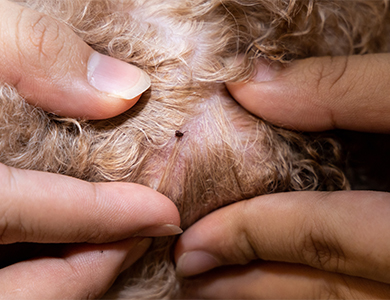
External parasites live on the animal’s skin or in their ears. Some are visible to the naked eye, such as fleas or ticks, while others are microscopic, like certain mites responsible for mange.
Examples of External Parasites
- Fleas
- Ticks
- Ear mites
- Mites (mange)
Possible Signs and Symptoms
- Severe itching
- Skin irritation and redness
- Hair loss or sores
- Anemia in cases of severe infestation
Some types of mange, such as cheyletiellosis or sarcoptic mange, can also be transmissible to humans.
Internal Parasites
Internal parasites can affect different organs in the animal’s body.
Intestinal Parasites
The intestines can be infested by several types of parasites, including worms and protozoa.
Among the most common:
These parasites are often transmitted through:
- Contaminated water
- Animal feces
- Dog parks or canine daycares
Possible Signs
- Diarrhea or vomiting
- Weight loss
- Delayed growth in puppies and kittens
- Distended abdomen
- Sometimes, no symptoms at all
Animals can therefore be carriers without their owners being aware.
Lung Parasites
Some worms can lodge in the lungs. Two parasites increasingly diagnosed in North America are:
- Angiostrongylus vasorum
- Crenosoma vulpis
These parasites can be contracted when an animal accidentally ingests slugs or snails, sometimes found in grass or outdoor water bowls.
Possible Symptoms
- Chronic cough
- Breathing difficulties
- Exercise intolerance
- Pneumonia in advanced cases
Heartworms
Heartworms are transmitted by mosquitoes, meaning all dogs are at risk. The larvae migrate through the body to the heart and pulmonary arteries. In severe cases, the disease can become potentially fatal.
The associated disease is called:
- Heartworm disease (dirofilariasis)
Possible Signs
- Fatigue
- Coughing
- Exercise intolerance
- Loss of physical condition
The Flea Problem
Small red spots appearing on your ankles or calves? Is your pet scratching excessively? Fleas could be the cause. Fleas prefer the blood of your dog or cat, but they can occasionally bite humans as well.
Did you know:
- A female flea can lay more than 20 eggs per day
- Most fleas live in the environment, not on the animal
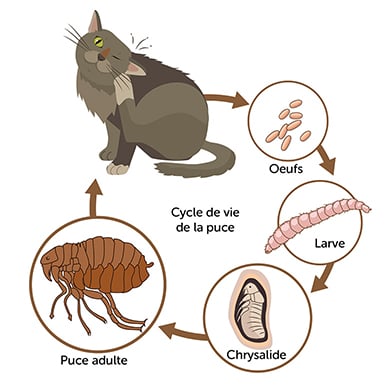
- Their life cycle includes eggs, larvae, pupae, and adults
All stages of the life cycle must be targeted to completely eliminate an infestation, which can take several months (a minimum of four months is required).
Fleas can also transmit an intestinal worm called:
A dog or cat can become infected if it swallows a flea while grooming or biting at its skin.
Ticks: A Growing Concern

In recent years, tick populations have increased significantly in Canada, largely due to climate change.
The main species involved is:
It can transmit several diseases, including the two most common:
- Lyme disease
- Canine anaplasmosis
Contrary to previous beliefs, ticks can be active as soon as temperatures rise above approximately 0 °C, even during winter thaws.
From Animals to Humans: Zoonoses
Some parasites can be transmitted from animals to humans.
Two particularly important parasites are:
- Toxocariasis
- Cutaneous larva migrans
In humans, larvae can migrate to the eyes, liver, muscles, and brain. Young children and immunocompromised individuals are most at risk.
It is therefore essential to:
- Pick up animal feces
- Wash hands after handling an animal
- Monitor outdoor sandboxes
How to Get Rid of Parasites
Treating your pet also helps reduce environmental contamination. Modern antiparasitic products often contain highly effective molecules called isoxazolines.
These treatments can protect against:
- External parasites: fleas, ticks, mites, etc.
- Internal parasites: heartworms, intestinal parasites, etc.
Testing and Prevention
Current veterinary recommendations suggest:
- A basic deworming protocol for puppies and kittens
- Fecal analysis 1 to 4 times per year
- An annual blood test to screen for the following four diseases:
- heartworm disease (dirofilariasis)
- Lyme disease
- anaplasmosis
- ehrlichiosis
- Deworming adapted to the animal’s lifestyle
- Regular prevention against fleas, ticks, and heartworms
Many animals now benefit from year-round parasite prevention, especially in regions where ticks are present.
Prevention Is the Best Protection
With the arrival of spring, parasite activity increases rapidly. Proper prevention and regular monitoring of your pet can help prevent many complications.
The key takeaway: talk to your veterinarian to establish a prevention program tailored to your pet’s lifestyle. Protect yourself and your family.