10 or 20 years ago, living with a dog mostly meant meeting its basic needs: feeding it, taking it for walks, and loving it. But in just a few decades, our relationship with our companions has undergone a true transformation. Care, nutrition, accessories, services, and even our social lives have adapted to a new reality: seeing a dog as a full-fledged member of the family.
Today, our choices are guided by health, comfort, well-being, and integrating our pets into every part of our daily lives. Here is a look at the major changes shaping the lives of dogs and ours.
1. More comprehensive care than ever before
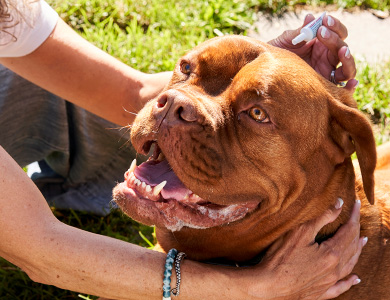
Just a decade or two ago, caring for your dog often meant a few vaccinations, an annual vet visit, and a basic diet. Today, our approach to pet care has evolved to focus on prevention, overall health, and long-term quality of life.
One of the most notable changes is the rise of pet insurance, now considered almost essential. Much like life insurance, insuring your pet helps cover veterinary costs, which have risen significantly in recent years. It provides peace of mind and ensures access to advanced care, even in emergencies.
Preventive healthcare practices have also expanded greatly. Vaccinations, deworming, early screenings, and parasite treatments are now part of routine care. And with climate change, ticks remain active for longer periods throughout the year, sometimes as soon as temperatures reach 32°F (0°C). As a result, protections that were once seasonal now need to be administered for several consecutive months, sometimes from May to November.
In addition, there is a growing use of preventive supplements, such as probiotics to support digestion, omega-3-rich oils for joint and heart health, and multivitamin complexes to boost immunity. Integrated into a dog’s regular routine, these products help keep them in peak condition while reducing the risk of certain illnesses.
2. Rethinking pet nutrition
Canine nutrition has gone through a real revolution. The traditional standard kibble has been joined by more diverse and tailored options.
Raw diets (BARF or Raw) are gaining popularity, with complete frozen or freeze-dried recipes that mimic a dog’s natural diet. For owners looking for convenience, dehydrated or semi-raw foods preserve maximum nutrients while making storage and preparation easier.
Specialized formulas are also on the rise, such as recipes tailored to puppies, senior dogs, or specific needs like weight management, joint health, or digestive care. This approach ensures dogs get exactly what they need at every stage of life.
Toppers and meal enhancers such as broths, purées, and freeze-dried pieces, as well as supplements like salmon oil, probiotics, or kelp powder, add flavour, variety, and extra nutritional benefits.
Finally, ingredient sourcing has become a key factor. More and more pet parents choose local products from nearby suppliers and manufacturers to support the local economy, reduce environmental impact, and ensure optimal traceability. This transparency reflects our desire to give our pets the very best while staying true to our values. Nutrition is no longer just about calories; it is a conscious choice for health, well-being, and even ethics.
3. Dogs at the heart of social life
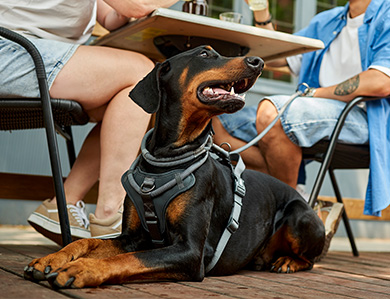
In just a few decades, a dog’s place in our lives has changed dramatically. They no longer stay home while we go out; they come along. Today, it is common to plan outings and even vacations around our dogs.
Dog-friendly locations are multiplying, such as patios, cafés, hotels, campsites, cultural events, and even festivals. Many destinations now welcome dogs with amenities like water bowls, shaded areas, canine menus, or dedicated dog beaches.
Online resources, interactive maps, and dedicated pages now list dog-friendly activities across Quebec, making it easier to plan weekends or full vacations that include hiking, chalet stays, RV road trips, or camping by the water.
Dog parks are also booming, especially in urban areas, with 65 in Montreal alone. Some even have their own local communities, creating real meeting points for owners and great opportunities to socialize dogs.
In Montreal, dogs are now allowed on the metro at all times after a successful pilot project. Owners must follow certain rules, such as keeping their dog muzzled and on a short leash. This change makes urban travel with pets much easier.
Traveling by plane with a dog is also better regulated, whether in the cabin or in the hold, opening the door to new family adventures without leaving anyone behind. This reflects a new reality. Our dogs no longer just live alongside us; they share our leisure time, discoveries, and memorable moments.
4. Innovative products and accessories
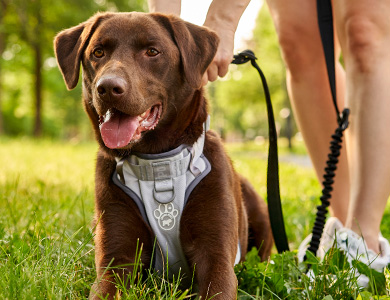
Dog accessories have gone through a major evolution in recent years. The goal is no longer just control or basic equipment. It is about offering comfort, safety, and style in all situations.
Harnesses, for example, now come in countless models adapted to a dog’s size and needs. In Montreal, regulations require that in public spaces, any dog weighing 20 kg (44 lb) or more must wear a head halter or harness attached to the leash. This measure helps ensure better control and safety for everyone.
For water activities, dog life jackets have become a must-have. Designed for optimal buoyancy, they make swimming, paddleboarding, and boating safer, especially for dogs less comfortable in the water or swimming long distances.
Collars and leashes have also evolved. Today’s models use more durable, ergonomic materials, from high-performance nylon to soft leather, and often include reflective elements for better visibility at night. Options now also align with eco-friendly values, using vegan materials, soft silicone, or recycled fibers.
Since Quebec winters are unforgiving, coats and boots for dogs have become essential. They protect against cold, ice, and de-icing salt, allowing full enjoyment of winter walks. Some models combine warmth, waterproofing, and freedom of movement. Added to this are care products like paw balms and creams, which protect and moisturize paw pads year-round, ensuring comfort and protection in every season.
These innovations show a major shift. We no longer settle for functional gear. We now choose high-quality, lifestyle-appropriate products so our dogs can be safe and happy.
5. The connected dog
Dogs are no longer just our companions at home. They have become true internet stars. Many owners create Instagram or TikTok accounts exclusively for their dogs, sharing photos, videos, and everyday stories. Some gain thousands, even millions, of followers, becoming full-fledged canine influencers.
This online presence comes with a huge ecosystem of specialized content. Countless blogs and platforms are now dedicated to the dog world. They offer training tips, product reviews, activity ideas, and inspiring stories. These resources help owners learn more about behaviour, health, and overall well-being.
This trend has also led to the growth of online communities where dog lovers exchange recommendations, tips, and touching stories. Facebook groups and specialized forums have made sharing and mutual support easier than ever.
6. Dog events and gatherings
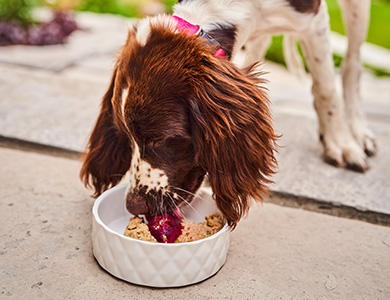
In recent years, dog-related events have experienced remarkable growth, giving owners more opportunities to share unique moments with their companions. Whether it’s festivals, races, or themed days, these gatherings celebrate the bond we share with our animals and allow them to socialize in stimulating environments.
In Quebec, the variety of activities is growing every year:
- Breed meetups: for example, the popular Shiba Gathering in Montreal, which brings together dozens of dogs and their families each year in a festive atmosphere.
- Sporting events: agility competitions, canicross races, or winter ski-joring.
- Canine festivals: outdoor markets, training demonstrations, artisan kiosks, and specialty product stands.
- Dog-friendly Christmas markets: several markets across Quebec now welcome dogs, letting owners shop in a festive setting without leaving their companion behind.
- Dog-friendly days in tourist spots: parks, beaches, trails, and even cultural events are increasingly opening their doors to our four-legged friends.
Just a few years ago, outings with your dog were often limited to daily walks or visits to the park. Today, dog events have become an integral part of the landscape, reflecting the growing importance of our companions in both our social lives and leisure activities.
7. Specialized services for animal well-being
Today, animal well-being is at the heart of our priorities, with a wide range of specialized services supporting their physical, mental, and emotional health. Dog trainers help families strengthen the owner-dog bond, correct behaviour issues, and give dogs a more balanced and harmonious life. Daycares and boarding facilities provide safe, stimulating environments for dogs while their owners work or travel.
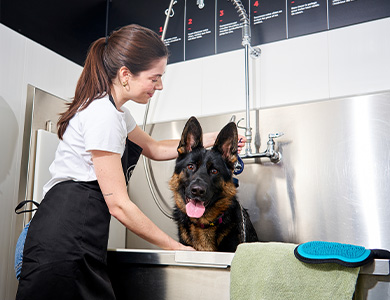
Grooming, once seen as purely cosmetic, is now a true wellness service that includes coat hydration, massages, and cuts tailored to the breed and individual needs. At Mondou, we also offer convenient services like our Doggie-wash service and Nail-trimming, making it easy for owners to care for their pets while ensuring comfort and safety.
These services highlight how our relationship with dogs has evolved. They are no longer just pets. They are family members whose health and happiness deserve as much attention as our own.
Recent years have deeply transformed the way we live with dogs. What used to be rare, such as travelling with them, choosing customized food, visiting dog-friendly spots, attending events, or accessing specialized services, is now part of everyday life. And the evolution is just beginning. Innovations in animal well-being, new regulations, nutritional advances, and initiatives to boost social integration will keep redefining our relationship with our companions. At Mondou, we are proud to be a key player in this transformation by offering quality products and services, supporting parents in their choices, and putting animal well-being at the heart of everything we do. Because their happiness and health are, and will always be, our top priority.
Shop for your dog: