Otitis is an inflammation of the ear that very commonly affects dogs. It may involve only
the external ear canal (the most common form), but it can sometimes extend to the middle
or inner ear if left untreated.
Why It’s Important

Otitis is uncomfortable and painful, and it can lead to complications if it becomes chronic
or is not treated properly. A ruptured eardrum, persistent pain, balance disorders, or
hearing loss may occur and can cause significant issues for your pet.
How to Regularly Inspect Your Dog’s Ears
Once a week, establish a simple ear-inspection routine for your pet:
-
Check the external appearance: skin color, redness, swelling.
-
Smell the ears: a foul or unusual odor may indicate the beginning of an infection.
-
Look for discharge: excessive brown or black discharge may indicate irritation
or the presence of parasites.
-
Monitor behavior: scratching, frequent head shaking, head tilting, or a painful
reaction when the ears are touched.
Types of Infections and Common Causes
Otitis can have several underlying causes:
-
Bacterial or fungal infections: bacteria and yeasts (notably Malassezia)
are common causes, especially in humid environments.
-
Parasites: ear mites can cause intense inflammation, discharge, and excessive scratching.
-
Allergies: food or environmental allergies cause chronic inflammation, which promotes
secondary infections. These flare-ups often occur cyclically at the same times of year.
-
Foreign bodies: debris or a mass in the ear (such as a polyp) can lead to irritation,
infection, and sometimes bleeding.
-
Other causes: certain breeds are anatomically predisposed (drooping ears or narrow
ear canals) and are at higher risk for recurrent otitis.
Preventing Otitis

Ear Care Routine
-
Clean your dog’s ears using a product specifically formulated for dogs. Cotton swabs should
be avoided, as they can push debris deeper into the ear canal or cause injury.
-
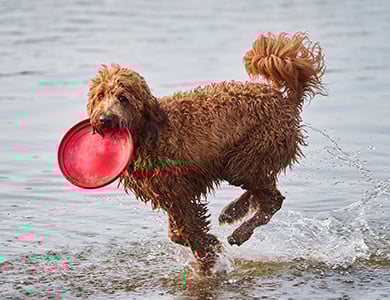
Dry the ears after swimming or exposure to rain, as moisture promotes the growth of bacteria and yeast.
-
In dogs with long ear hair, regular grooming and hair removal from the ear area help improve air
circulation and reduce moisture buildup.
Never use products made for humans or inappropriate solutions, as these can irritate or damage the ear canal.
Treating Otitis
Only a veterinarian can properly diagnose and treat otitis.
How Treatment Is Managed
-
Veterinary examination and diagnosis: an otoscope is used to examine the ear canal and
eardrum. A sample (cytology) is collected and examined under a microscope to confirm the presence of
inflammatory cells, bacteria, yeast, and/or parasites.
-
Professional cleaning: debris is removed using an appropriate cleanser, and the ears are
thoroughly dried.
-
Targeted medication: ear drops or ointments (antibiotics, antifungals, anti-inflammatories)
are prescribed depending on the cause.
-
Follow-up: a second consultation is often required to ensure complete resolution. Stopping
treatment too early may result in relapse.
In more severe or deep infections, oral medications may be prescribed.
Important: do not attempt home self-medication, especially without knowing whether the eardrum
is intact. Some products can cause permanent hearing loss.
When to See a Veterinarian
Consult a veterinarian promptly if you notice:
- Frequent scratching or head shaking
- Redness, pain, unpleasant odor, or abnormal discharge
- Decreased hearing or persistent head tilt
- Rapid onset of symptoms after swimming or if a foreign object is visible
Even mild signs should be evaluated by a professional, as otitis can progress quickly. Note that with
recurrent ear infections, a full evaluation is essential each time, as the underlying cause may differ
from one episode to another. Improper treatment can be dangerous or lead to antimicrobial resistance,
which is why medications for this condition are not automatically refilled.
Seasons and Risk Factors
Spring and Summer
- Increased environmental allergens
- Moisture is a major risk factor (swimming, rain, warm and humid weather)
In Summary
- Inspect your dog’s ears regularly.
- Learn to recognize warning signs: itching, discharge, odor, or pain.
- Prevent infections with proper ear care, good hygiene, and thorough drying after water exposure.
- Consult a veterinarian at the first signs of a problem.
A consistent ear-cleaning routine and a balanced diet may help reduce the occurrence of otitis. Diet plays
a significant role in managing allergic or dermatological ear infections. Ask your veterinarian for advice.

Shop for your dog: