When it comes to feeding a cat, dry food (kibble) and wet food (canned food) are often the first options that come to mind. However, feline nutrition is evolving rapidly. Today, more and more pet parents are showing interest in alternative options that better respect a cat’s natural instincts and meet their specific needs.
Thanks to advances in animal nutrition and a better understanding of overall feline health, several formats are gaining popularity. Raw food, semi‑moist food, and dehydrated food are among the trends redefining how cats are fed.
Raw food: a more natural approach
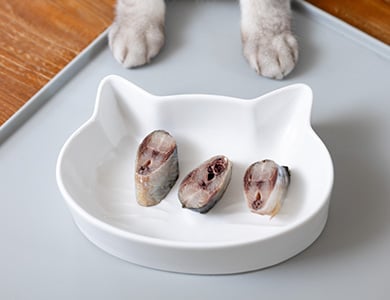
Raw food for cats is inspired by the ancestral diet of felines. It is based on minimally processed ingredients that are generally rich in animal protein, which aligns well with the cat’s profile as a strict carnivore. In addition to being highly palatable, raw food usually contains a higher moisture content than kibble, which can help support daily hydration.
This option also appeals to pet parents who want to offer a diet closer to a cat’s natural feeding habits, often with simpler ingredient lists. As with any dietary change, it is important to choose a complete and balanced option and to introduce it gradually through a gradual transition.
Semi‑moist food: tender texture and increased palatability
Semi‑moist cat food stands out for its soft, chewy texture, halfway between kibble and canned food. It is an appealing alternative for picky cats, those that refuse traditional kibble, or those that prefer softer textures.
Because it generally contains more moisture than dry food, semi‑moist food can also help support water intake. It reflects a broader trend toward offering a variety of textures to better adapt to each cat’s preferences.
Dehydrated food: a nutritious and easy‑to‑digest option
Dehydrated cat food is gaining popularity because it combines several appreciated benefits, including good shelf stability, easy portioning, and in many cases, the ability to rehydrate it before serving. This option suits pet parents looking for an alternative to traditional formats while maintaining everyday simplicity.
Depending on the formulation, dehydrated food is often valued for its digestibility and nutrient density. When rehydrated, it can also help increase moisture intake, an aspect many pet parents seek.
Hydration: a growing priority
Hydration has become a key focus in feline nutrition, as cats naturally tend to drink very little. In addition to wet, semi‑moist, and rehydratable foods, cat broths are growing in popularity. Both tasty and appealing, they can be served on their own or added to meals to encourage water intake, while making daily feeding more enjoyable.
Digestive health and targeted ingredients
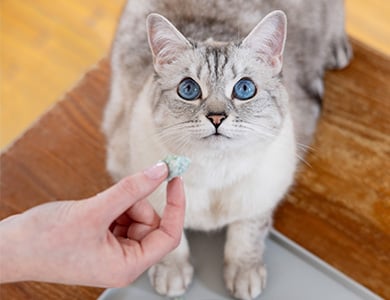
Another emerging trend is the interest in recipes focused on digestibility. Many pet parents look for options made with simpler, easy‑to‑digest ingredients, sometimes enriched with functional components. The goal is to support digestive comfort and overall well‑being, especially for sensitive cats.
More personalized nutrition
Finally, personalization is at the heart of modern feeding habits. Kitten, adult cat, senior cat, neutered cat, indoor cat, picky eater, digestive sensitivity. The one‑size‑fits‑all approach is gradually giving way to more targeted choices. Exploring different options, such as raw food, semi‑moist food, or dehydrated food, helps find what best suits each individual companion.
Enriching meals: toppers and boosters
Among the leading trends in feline nutrition is the growing use of toppers, boosters, and broths. These complementary additions are mixed with the main meal to enhance flavor, vary textures, and stimulate appetite. Whether it involves chunks in gravy, crumbled freeze‑dried foods, rehydratable recipes, or broths formulated specifically for cats, these additions help enrich meals while supporting hydration. Especially popular with picky or finicky cats, toppers reflect a modern and flexible approach to feeding, where enjoyment becomes just as important as nutritional balance.
Successfully transitioning your cat’s diet
Regardless of the format chosen, a gradual transition remains essential to help limit digestive discomfort. When specific needs or health conditions are involved, consulting a veterinarian is always recommended.
Our in‑store advisors can also help guide pet parents toward the most suitable option based on their cat’s preferences and needs. Of course, if your cat has specific needs or health conditions, consulting a veterinarian is recommended to ensure their diet is well adapted.
Shop for your cat: